

REF : VEGETABLE GLYCERIN USP 6KG
6kg Canister


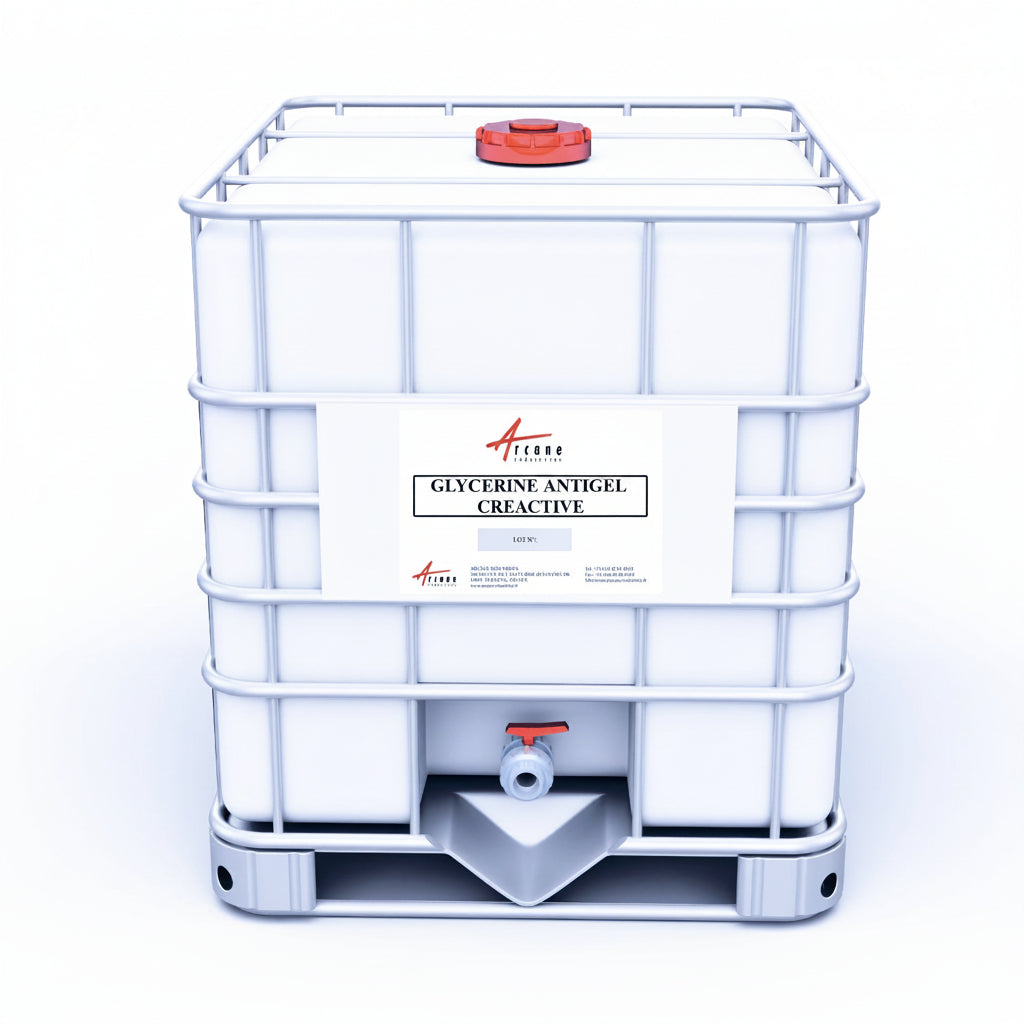
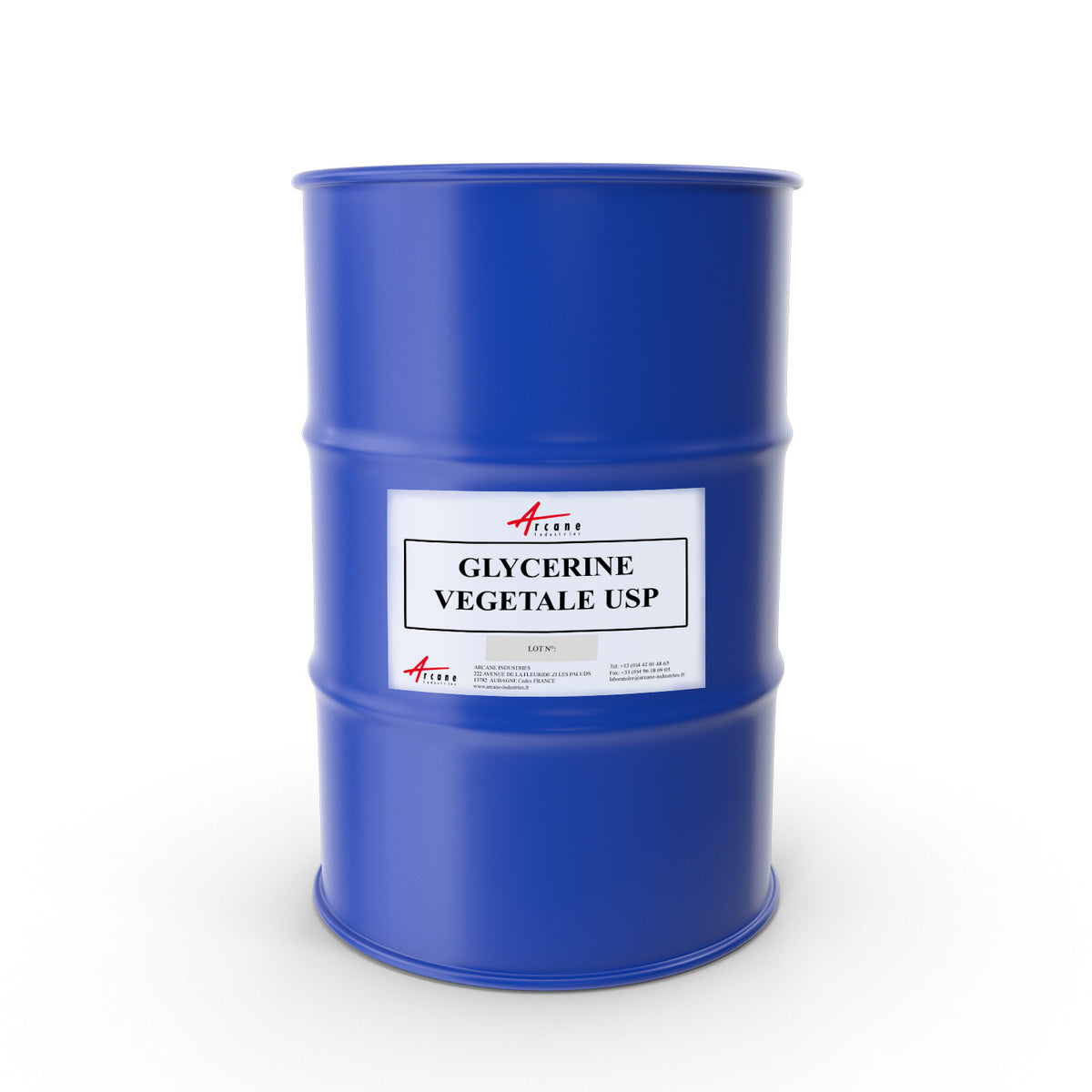
Glycerol or glycerin is a colorless, viscous, odorless liquid with a sweet taste and low toxicity, used in many formulations including pharmaceutical and cosmetic ones. Glycerin (CAS 56-81-5) or glycerol, 1,2,3-propanetriol, is a raw material of plant origin. It is obtained through the process of vegetable saponification (during soap manufacturing) or transesterification of vegetable oils (during biodiesel production). It is a biodegradable raw material, soluble in water and alcohol, but insoluble in oil.
We offer vegetable glycerin for sale to professionals, in several packaging options: 6 kg jerricans, 24 kg jerricans, 240 kg drums and 1200 kg IBCs.
If you need it, here is our Food-Grade Glycerin E422.
MAIN FUNCTIONS
Liquid glycerol is notably used for its moisturizing, emollient properties and as a wetting agent.
INDUSTRIAL USE
- Pharmaceutical industry: used as a humectant to improve the smoothness and lubrication of pharmaceutical preparations. It is found in the formulation of cough syrups.
- Cosmetic industry: cosmetic raw material used as a moisturizing agent, solvent, lubricant and preservative. Glycerol attracts water and maintains the suppleness of the epidermis. It is also used as a solvent and preservative for plant macerates. It is an ingredient in many beauty products: moisturizing skin creams, lip balms, face masks, toothpaste, conditioners, soaps and body shower gels... This product, which is non-comedogenic and low-allergenic, is also highly appreciated by individuals wishing to make their own cosmetics.
- Manufacturing of VG e-cigarette liquid as a complement to PG.
- Chemical industry: glycerol derivatives are numerous, including acrylic acid, acrolein, epichlorohydrin, glycerol carbonate, nitroglycerine...
- Plastics industry: plasticizer used in the manufacture of cellophane.
- Textile industry: additive for fiber and textile treatment.
- Heat transfer fluid industry: just like monopropylene glycol or monoethylene glycol, glycerin can be used as an antifreeze agent.
PROFESSIONAL USE
- Creation of floral arrangements: used for the preservation of dried flowers.
OTHER COMMON USES
Individuals use vegetable glycerin as an ingredient in the manufacture of:
- homemade natural cosmetics (body cream, makeup remover, hair mask, shower gel, lip balm)
- laundry cleaning products: used as a fabric softener and stain remover
- household cleaning products: cleaning windows and faucets
USAGE TIPS
When making homemade cosmetics, it is important to carefully follow the vegetable glycerin proportions indicated in the recipe. The product should never exceed 10%. In case of overdosing, the opposite effect occurs: glycerin loses its moisturizing power and can dry out the skin. A dosage of between 2 and 5% is recommended.
To make a body balm: melt 70 grams of vegetable oil in a double boiler with 15 grams of shea butter and 10 grams of beeswax. Mix 5 grams of glycerin with the essential oils of your choice. Add the glycerin to the oil mixture. Pour into a container and allow to cool.
Downloadable documents


